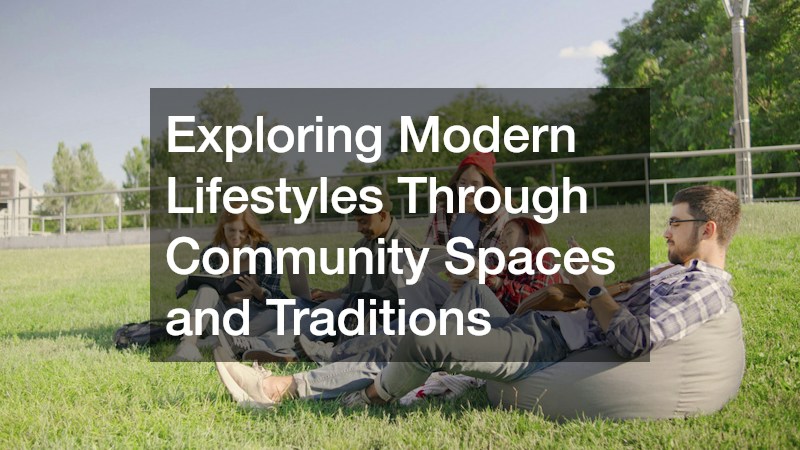
Exploring Modern Lifestyles Through Community Spaces and Traditions
Modern lifestyles reflect a combination of personal interests, community involvement, evolving technology, and longstanding traditions. While daily routines continue to change, people still value opportunities to connect with neighbors, explore creative interests, participate in recreational activities, and maintain comfortable living environments. Community spaces play an important role in bringing these experiences together, offering places where people can develop relationships, learn new skills, and participate in shared activities.
At the same time, changing residential needs and technological advancements are influencing how people interact with their surroundings. From improving neighborhood facilities to preserving family heirlooms, small decisions can contribute to a more meaningful way of life. Understanding these connections can help individuals make thoughtful choices about their homes, hobbies, and communities while finding new ways to participate in traditions that bring people together.
Make Community Recreation Spaces Safer and More Welcoming
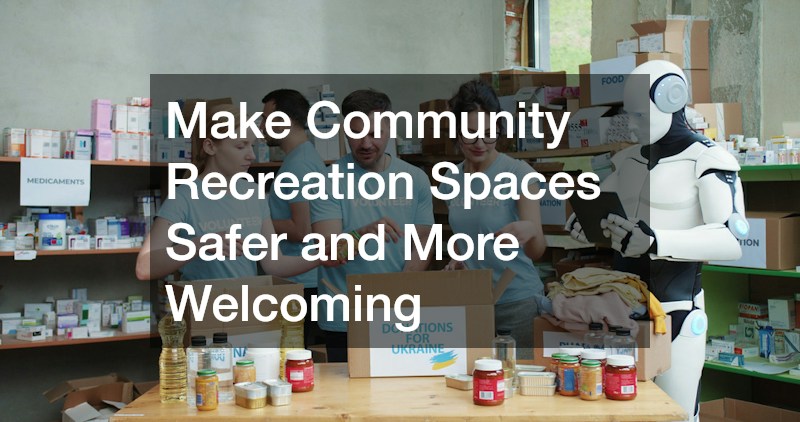
Recreational facilities give neighbors opportunities to spend time together while encouraging physical activity and community participation. Baseball fields, in particular, often serve as gathering places for families, youth sports organizations, and local events. Maintaining these spaces requires attention to both functionality and safety.
One important consideration is the condition of baseball field fences. These structures help separate playing areas from spectators, contain equipment, and establish clear boundaries around the field. Their design and maintenance can influence how comfortably people use the facility.
Community organizers and property managers should consider several factors when evaluating recreational infrastructure:
-
Material durability: Select fencing materials that can withstand frequent use and changing weather conditions.
-
Appropriate placement: Position barriers to protect spectators without obstructing visibility.
-
Routine inspections: Check for loose fasteners, damaged sections, and sharp edges.
-
Accessibility: Keep entrances and surrounding pathways convenient for visitors.
Residents can also participate by reporting maintenance concerns and supporting improvements to neighborhood facilities. Well-maintained recreation spaces make it easier for communities to preserve local sports traditions and encourage participation among younger generations.
Encourage Lifelong Participation Through Accessible Activities
Community activities provide opportunities for adults to develop new interests, maintain social connections, and enjoy experiences outside their usual routines. Recreational programs can be particularly valuable for people who want to explore hobbies they never had time to pursue earlier in life.
Taking an adult dance lesson, for example, can introduce participants to different musical styles, movement techniques, and social experiences. Before enrolling, consider the instructor’s teaching approach, class size, experience requirements, and available accommodations. Beginners may prefer introductory sessions that allow them to develop confidence gradually.
Accessibility is another important consideration when evaluating community programs. People with disabilities should have meaningful opportunities to participate in recreational activities and use public facilities.
Disability attorneys can help individuals understand their legal rights when accessibility barriers interfere with participation in community programs or access to public spaces.
When evaluating recreational opportunities, consider:
-
Whether entrances and facilities accommodate mobility devices.
-
Whether instructors can provide appropriate accommodations.
-
Whether class schedules and registration procedures are accessible.
-
Whether participants receive clear information about facility features.
Inclusive programming benefits entire communities by making shared experiences available to a wider range of residents.
Preserve Community Heritage Through Local Collecting Traditions
Collecting is more than an individual hobby. It can connect people with historical events, family traditions, and cultural developments. Communities often have enthusiasts who enjoy sharing knowledge about objects that represent different periods and experiences.
For example, local coin shops provide opportunities for collectors to explore historical currency, learn about different denominations, and discover pieces that reflect regional or national history. These businesses can also serve as meeting points for people with similar interests.
Beginners can make their collecting experiences more rewarding by developing a basic understanding of the items they want to acquire. Rather than purchasing coins based solely on appearance, take time to understand their condition, authenticity, and historical significance.
A few useful practices include:
-
Research basic terminology and common grading descriptions.
-
Organize collections by denomination, year, or historical period.
-
Ask knowledgeable dealers about authenticity and condition.
-
Maintain records of purchases and relevant collection details.
-
Store coins appropriately to protect their condition.
Collectors can also participate in local clubs, exhibitions, and community events. Sharing discoveries with other enthusiasts encourages knowledge transfer between generations and helps preserve an interest in history.
Support Creative Expression Through Neighborhood Arts
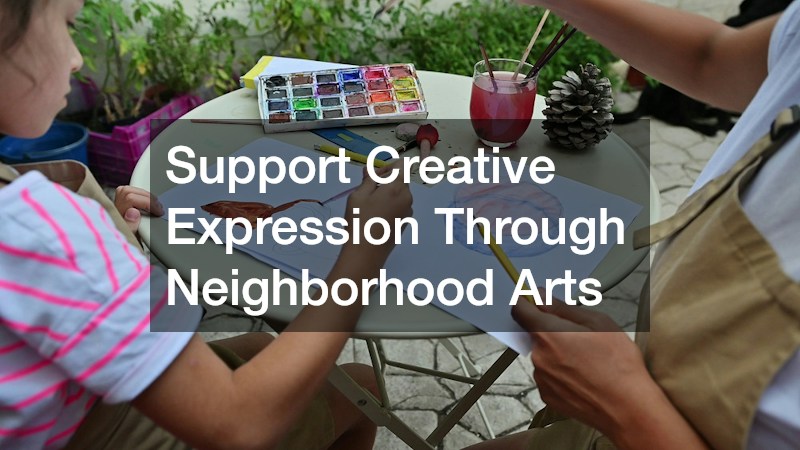
Artistic spaces contribute to the cultural identity of neighborhoods by giving residents opportunities to experience different perspectives and forms of creative expression. They can also introduce visitors to local artists whose work reflects the area’s history, traditions, and contemporary experiences.
Visiting an art gallery can become a regular community activity rather than an occasional special outing. Exhibitions provide opportunities to explore painting, sculpture, photography, and other creative disciplines while learning about the ideas behind individual works.
Visitors can make these experiences more meaningful by approaching exhibitions with curiosity and taking time to understand the artists’ perspectives.
Consider incorporating these activities into your routine:
-
Attend exhibitions featuring emerging and established local artists.
-
Participate in artist talks, workshops, and demonstrations.
-
Explore displays that highlight regional history and cultural traditions.
-
Invite friends or family members to discuss their interpretations of different works.
-
Support artists through appropriate purchases and community events.
Families can also introduce children to creative activities through guided exhibitions and educational programs. Regular participation helps make the arts a familiar part of neighborhood life while encouraging creativity and cultural appreciation.
Make Thoughtful Decisions When Managing Family Heirlooms
Family possessions often carry significance beyond their financial value. Jewelry, watches, and other inherited belongings can represent important relationships, personal milestones, and memories passed between generations. Deciding what to do with these items requires consideration of both practical circumstances and family preferences.
Some families choose to preserve heirlooms, while others distribute belongings among relatives or sell items that no longer serve a personal purpose. Before making a decision, take time to understand what each possession represents and whether other family members have an interest in keeping it.
If you decide to sell estate jewelry and watches, preparation can make the process more straightforward.
Start with these steps:
-
Identify materials, gemstones, brand names, and distinctive markings.
-
Gather receipts, previous appraisals, and available ownership documentation.
-
Research comparable pieces to understand potential market demand.
-
Have valuable or unfamiliar items evaluated by qualified professionals.
-
Review transaction terms and payment arrangements before agreeing to a sale.
Avoid assuming that an item’s sentimental importance automatically translates into a particular resale value. Understanding both aspects can help families make informed decisions while respecting the history attached to inherited possessions.
Improve Neighborhood Mobility With Convenient Transportation Options
Transportation influences how residents access recreational facilities, shared amenities, and social activities. In some planned communities and residential developments, alternative transportation options can make short trips more convenient.
Golf carts are commonly associated with golf courses, but they may also be used in certain residential communities and recreational settings where local regulations permit their operation. Their suitability depends on the layout of the property, transportation needs, and available infrastructure.
Important factors include:
-
Passenger capacity: Choose a model that accommodates the number of people who will regularly use it.
-
Battery range: Evaluate whether the available range meets typical travel requirements.
-
Storage: Consider space for groceries, recreational equipment, or other belongings.
-
Safety features: Review lighting, seat belts, braking systems, and other protective features.
-
Local regulations: Understand where these vehicles can legally operate and what requirements apply.
Community associations can also establish guidelines for shared transportation, parking, and pedestrian safety. Thoughtful planning helps residents enjoy convenient mobility without creating unnecessary conflicts with other road and pathway users.
Plan Residential Improvements Around Changing Accessibility Needs
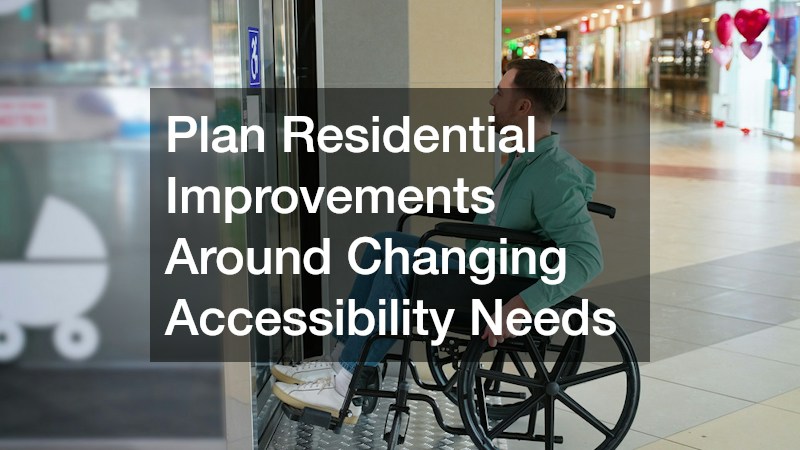
Residential buildings must adapt to the changing needs of the people who use them. As households grow, residents age, and mobility requirements evolve, certain building features may need improvements to remain practical.
For multi-story properties, elevator modernizations can improve building functionality and address outdated equipment or accessibility concerns. These projects may involve updating operating controls, improving door mechanisms, replacing components, or introducing newer safety features.
Property managers and building associations should begin by evaluating how residents currently use the elevator system. Gathering feedback can reveal problems that might otherwise go unnoticed, such as difficult-to-reach controls, inconsistent operation, or inconvenient access.
When planning improvements, consider:
-
Whether control panels are easy for residents to reach and operate.
-
Whether door opening and closing mechanisms function reliably.
-
Whether entrances provide sufficient clearance.
-
Whether updated equipment is compatible with existing infrastructure.
-
Whether maintenance requirements will change after modernization.
Building improvements should account for both immediate concerns and future usability. Consulting qualified elevator professionals can help property managers identify appropriate upgrades and plan projects around the building’s specific requirements.
Integrate Technology Without Losing the Comfort of Home
Technology has become an increasingly familiar part of residential life, changing how people manage household responsibilities and interact with their surroundings. Connected devices can simplify routine tasks, provide additional control over household systems, and make everyday environments more adaptable.
Smart home systems allow residents to manage features such as lighting, temperature, security equipment, and connected appliances. Depending on the devices selected, household members may be able to control several functions through a centralized interface or automated settings.
Consider these steps before making upgrades:
-
Identify repetitive household tasks that could benefit from automation.
-
Check whether new devices are compatible with existing equipment.
-
Review privacy settings and account security features.
-
Consider whether everyone in the household can comfortably operate the controls.
-
Prioritize useful features over unnecessary additions.
Technology can also support independent living by making certain household functions easier to manage. However, complicated interfaces can create frustration. Choosing straightforward devices and introducing changes gradually can help households enjoy greater convenience without sacrificing comfort or usability.
Maintain Comfortable Shared and Personal Living Environments
Clean and well-maintained surroundings contribute to the overall experience of living in a home or participating in community activities. Carpets, in particular, receive regular foot traffic and can accumulate dirt, dust, and residue from everyday use.
Consistent carpet cleaning helps maintain the appearance of flooring while addressing accumulated debris and common household spills. The appropriate maintenance routine depends on carpet materials, traffic levels, and the types of messes the surface regularly encounters.
Useful habits include:
-
Vacuum regularly, paying particular attention to frequently used areas.
-
Address spills promptly using cleaning methods appropriate for the carpet material.
-
Use entrance mats to reduce the amount of dirt brought indoors.
-
Move furniture periodically when practical to address uneven wear.
-
Follow recommended drying and ventilation practices after cleaning.
Shared spaces require similar attention. Apartment buildings, community centers, and recreational facilities benefit from maintenance schedules that account for how frequently different areas are used.
Property managers and residents can coordinate responsibilities to maintain common areas. Consistent care supports more comfortable environments and helps preserve the appearance of shared residential spaces.
Build Stronger Communities Through Shared Experiences and Traditions
Community traditions provide opportunities for residents to connect through shared interests and experiences. Neighborhood gatherings, recreational activities, cultural celebrations, and educational events can create relationships that extend beyond everyday interactions.
However, maintaining these traditions requires participation and a willingness to adapt activities to changing community needs. Programs that once attracted large groups may need adjustments to accommodate different schedules, interests, and accessibility requirements.
Practical ideas include:
-
Arrange neighborhood events around recreational activities and shared hobbies.
-
Invite residents to demonstrate skills, crafts, or cultural traditions.
-
Organize educational activities that encourage participation across generations.
-
Promote accessible venues and inclusive programming.
-
Gather feedback to identify activities residents would like to see introduced.
Community organizations can also collaborate with local businesses and cultural institutions to create more opportunities for participation.
The most successful traditions are not necessarily those that remain unchanged. They are the ones that continue to bring people together while reflecting the interests and experiences of the people who participate in them.
Modern lifestyles involve more than personal convenience. They also reflect the relationships people develop, the activities they enjoy, and the environments they help maintain. Community recreation facilities, cultural spaces, collecting traditions, and neighborhood events all provide opportunities to connect with others while preserving meaningful local experiences.
Individuals can contribute by exploring local programs, supporting neighborhood businesses, participating in shared activities, and taking an interest in improvements to their surroundings. Even small efforts can encourage stronger connections and greater community involvement.
A meaningful modern lifestyle balances innovation with tradition. By valuing both, residents can help create communities where people have opportunities to learn, participate, connect, and enjoy a stronger sense of belonging.